Column · @hectorrglt854
Coa
Certifications Of Evaluation Coa Verify Peptide Pureness
Pureness degrees of 99%+ are taken into consideration extremely high and typically reflect clean synthesis and solid quality control. While we aim for 99.1%+ purity Find out more as our internal benchmark, a little lower outcomes can still drop well within market requirements for high-quality study peptides. William is a research analyst at Peptides Lab UK, specialising in research study peptides, laboratory compounds, and sourcing standards for high-purity peptide products. LC-MS can aid show whether the sample straightens with the anticipated mass account of the peptide detailed on the file. This offers customers another factor of recommendation when examining whether the documents sustains the identity of the material being provided. At the same time, a COA must not be treated as a standalone trust signal.- Constantly consult a qualified healthcare provider before making any kind of health-related choices.
- The details located in a peptide CoA often begin with how the product is checked.
- The testing laboratory, certification status, and expert details must be plainly specified.
- If you have a specific substance you are sourcing for research study, reach out directly and we can validate availability and timing.
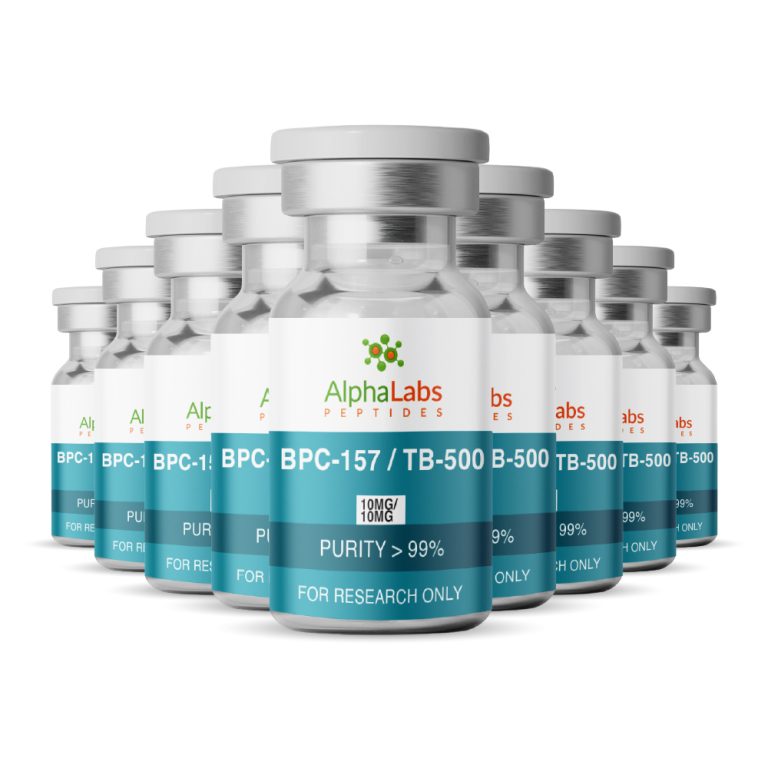
Peptides
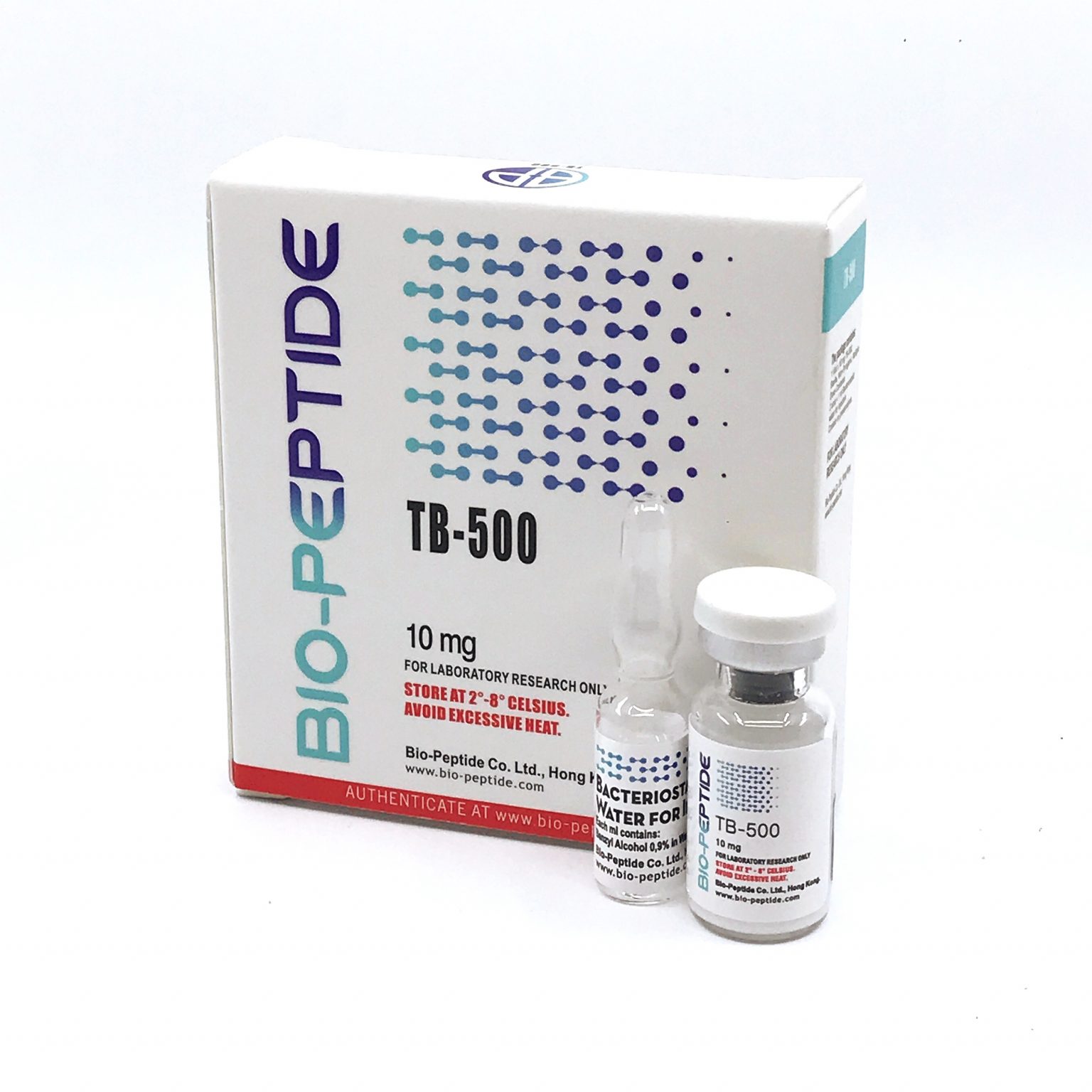
Buyers must likewise assess product labeling, website transparency, storage information, and the uniformity of paperwork across the vendor's brochure. The strongest sourcing decisions normally come from checking out the complete documentation image rather than one data alone. Equally as significantly, a COA needs to be considered as one part of a broader documents picture.
Why Third-party Testing Is Necessary
Information should show straight testing of the particular set Extra resources provided. Differences in basic materials, synthesis conditions, and purification performance imply that no 2 sets equal. Microbiological screening validates the lack of microbial, fungal, or yeast contamination.
If those components are all noticeable and make sense together, the COA ends up being much easier to interpret. In easy terms, pureness refers to how much of the sample shows up to match the main target compound relative to various other noticeable elements in the evaluation. Samples are sent to independent laboratories for HPLC pureness analysis and mass spectrometry verification. Quick recommendation checklist highlighting the key elements researchers commonly examine when translating a peptide certificate of evaluation. Although the format of COAs might vary in between labs, the majority of reports include a number of typical sections. Recognizing these sections aids scientists interpret the analytical data correctly.